Most "how to choose a credit card" advice starts with rewards programs. That is backwards for a large share of applicants, because rewards only make sense once one earlier question is settled honestly.
Quick summary: If you carry a balance, prioritize the lowest APR over rewards — interest usually costs more than points are worth. If you pay in full, compare cash back (simple, predictable) against travel rewards (higher potential value, more effort to redeem well). Check your credit score before comparing rewards cards, since approval odds vary by card. Building credit from nothing starts with a secured or student card, not a rewards card. Only pay an annual fee if you can name the specific dollar benefit that covers it.
Start here: will you carry a balance?
If the answer is yes, even occasionally, the interest rate matters more than any rewards program. A typical carrying APR costs far more than most rewards rates return — carrying a balance to "earn points" is a losing trade in almost every real case. In that situation, prioritize the lowest ongoing APR you can qualify for, and treat rewards as a secondary detail.
If you reliably pay your statement in full, the grace period means you pay no interest on purchases at all, and rewards become a genuine comparison worth making. See how credit card interest and fees work for exactly how the grace period and APR interact, since that mechanic is what makes this first question decisive.
Check your score before you compare rewards
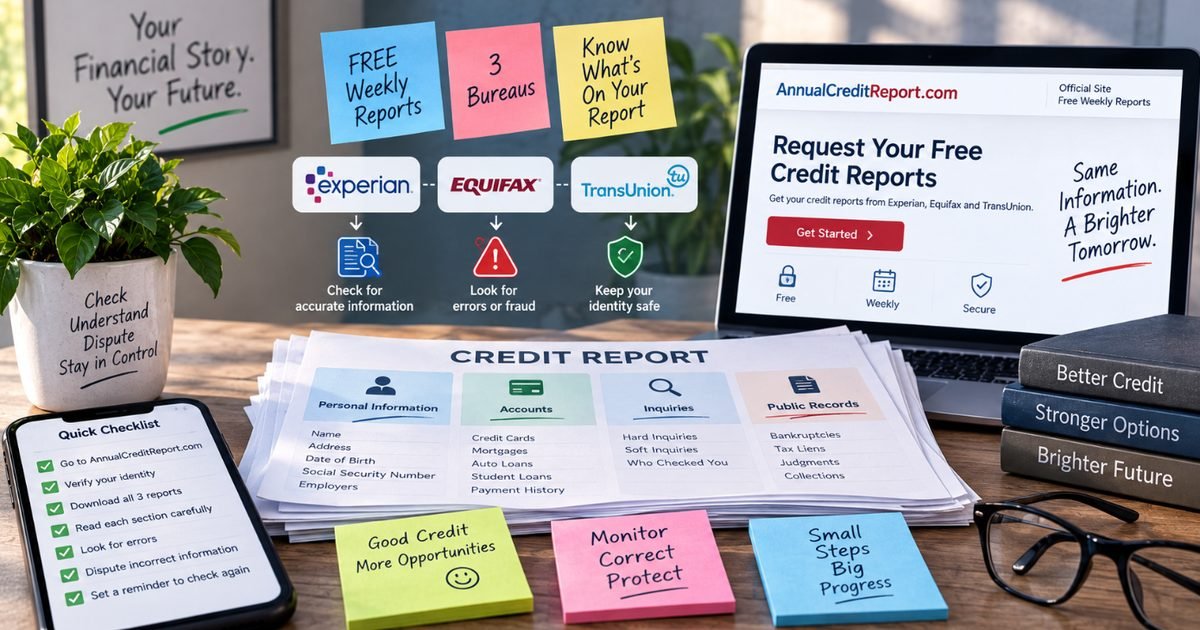
Card issuers approve applicants based on creditworthiness, and premium rewards cards typically require good to excellent credit. Comparing rewards features on cards you are unlikely to be approved for wastes time. Pull your score and check where you stand — see how credit scores work for what the number means — before you start comparing specific card offers.
If your file is thin or you are starting from nothing, skip to the "building credit" section below rather than shopping rewards cards first.
Match the card type to your actual goal
Cash back cards reward every purchase with a straightforward percentage back, often with a flat rate or simple bonus categories. The value is predictable and requires no strategy to redeem. This is the reasonable default for most people who want rewards without managing a points system.
Travel rewards cards can offer higher value per dollar spent, but only if you actually use the specific airline or hotel partners well, track expiration policies, and are a frequent, deliberate traveler. For someone who travels rarely or redeems inefficiently, the "higher value" is theoretical rather than real.
Balance transfer cards offer a low or 0% introductory rate on transferred debt, useful specifically for consolidating existing high-interest balances — not for new spending. Check the transfer fee (commonly 3-5% of the balance) and the exact date the introductory rate ends, since the standard rate applies to whatever balance remains after that.
Secured cards require a cash deposit that becomes your credit limit, and are built for establishing or rebuilding credit rather than for rewards. See how to build credit from scratch for how a secured card fits into a first-time credit strategy.
Student cards are designed for limited credit history and current enrollment, often with a lower limit and simpler approval criteria than a standard rewards card.
Business cards separate business spending from personal finances and often report to business credit files rather than, or in addition to, your personal file — worth confirming directly with the issuer if separating credit histories matters to you.
Is the annual fee worth it?
Only if you can name the specific dollar benefit that covers it — a statement credit you will actually use, a rewards rate high enough on your actual spending to exceed the fee, or a specific feature (like airport lounge access) you will use often enough to justify the cost. "It feels like a premium card" is not a financial reason. Do the arithmetic on your own real spending before assuming a fee is worth paying.
A short decision path
- Will you carry a balance? If yes, prioritize the lowest APR; if no, move to rewards comparison.
- What is your credit score? Compare only cards you are realistically likely to be approved for.
- What is your primary goal — simple cash back, travel value, consolidating existing debt, or building a credit history from nothing?
- Does an annual fee, if any, pay for itself in benefits you will actually use?
Answering these four in order removes most of the noise that makes credit card comparisons feel more complicated than the decision actually is.
Frequently asked questions
What is the most important factor in choosing a credit card?
Whether you plan to carry a balance or pay in full each month. If you will carry a balance, a low interest rate matters more than any rewards program, since interest charges typically outweigh rewards earned. If you pay in full, rewards and card features become the more relevant comparison.
Which credit card is best for beginners?
A secured card or a student card, depending on whether you are building credit from scratch or currently enrolled in school. Both are designed for a thin or nonexistent credit file and typically approve based on different criteria than a standard rewards card.
Is it better to get a cash back or travel rewards card?
Cash back is simpler and the value is predictable regardless of how you redeem it. Travel rewards can be worth more per point, but only if you actually use the specific redemption options well and don't let points expire unused. If you are not a frequent, deliberate traveler, cash back is usually the safer choice.
Is a credit card annual fee worth it?
Only if you can calculate that the card's benefits, in dollars you will actually use, exceed the fee. A fee justified by rewards you would not otherwise redeem, or by a "premium feeling," is not a financial reason.
How many credit cards should I have?
There is no universal number. What matters more is whether you can manage each account's due dates and balances without missing payments, since payment history has the largest effect on your credit score. Adding a card only makes sense when you have a specific reason for it, not for its own sake.